Kenyan Tech Workers Organize for Fair Labor Practices Amidst AI and Content Moderation Exploitation
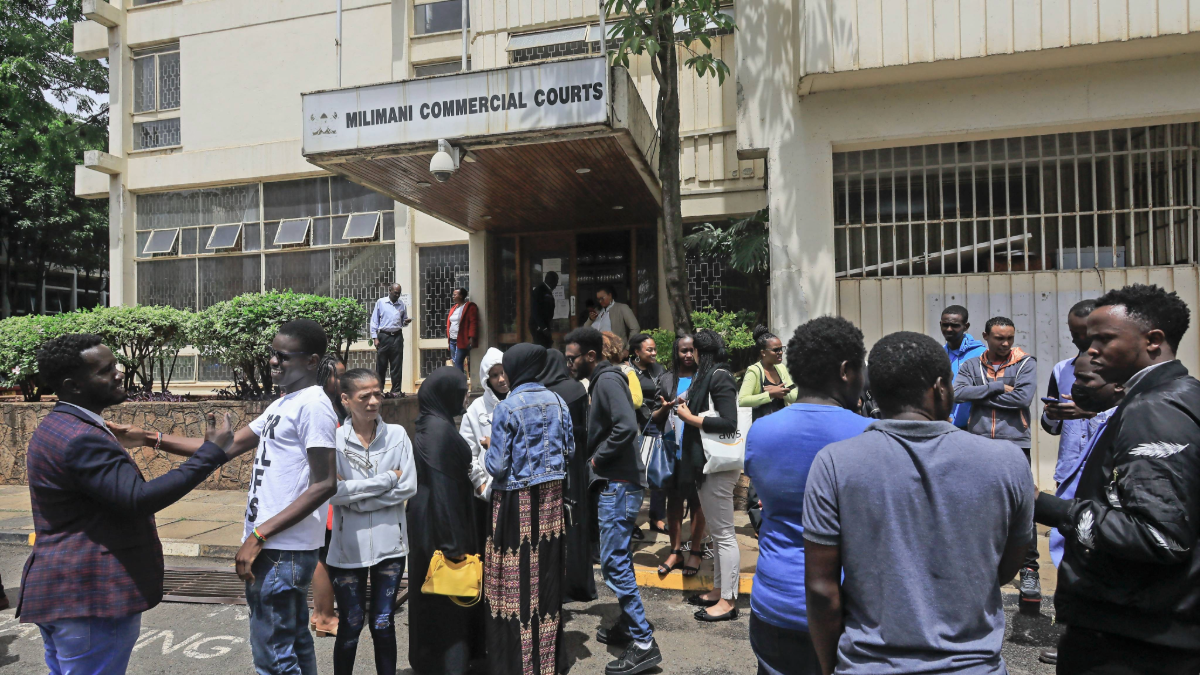
A recent discussion featuring Nerima Wako-Ojiwa of Siasa Place and Odanga Madung, a tech and society researcher, highlights the critical intersection of technology, labor rights, and political power in Kenya and across Africa. The conversation centers on the exploitative working conditions faced by content moderators and AI data annotators, who perform essential, yet often invisible, labor for major tech companies. These workers, many of whom are young and unemployed Kenyans, lack adequate legal protections and social welfare benefits under existing labor laws.
The discussion also delves into the broader implications of platform failures, particularly concerning the spread of harmful biases and disinformation that disproportionately affect African contexts. This issue is further complicated by governments increasingly using these failures as a pretext for internet censorship and surveillance. The experts emphasize the urgent need for accountability from tech platforms for their actions and inactions.
In response to these challenges, a burgeoning movement of tech workers in Kenya is organizing to advocate for their rights. New unions and associations, such as a branch of COTU focusing on digital workers and the Data Labelers Association (DLA), are emerging. Additionally, the Africa Tech Workers Movement is gaining traction, uniting various sectors to push for amendments to employment acts that currently do not recognize or protect digital labor. This collective effort seeks to educate both the public and legislators on the importance of safeguarding the rights of these crucial workers.
The Kenyan government is also attempting to engage with the sector through a new national BPO policy, currently undergoing public participation. However, critics note that the policy appears to prioritize business interests over worker rights, indicating a need for significant adjustments. The movement is expanding its reach, connecting with workers across the continent to foster a shared understanding and collective action against similar exploitative practices prevalent in other African nations.
Source
More in society
New Guide Helps African Nonprofits Strategically Adopt AI for Social Impact
A new report from The Bridgespan Group provides a practical guide for African nonprofits on how to responsibly and effectively integrate artificial intelligence into their…
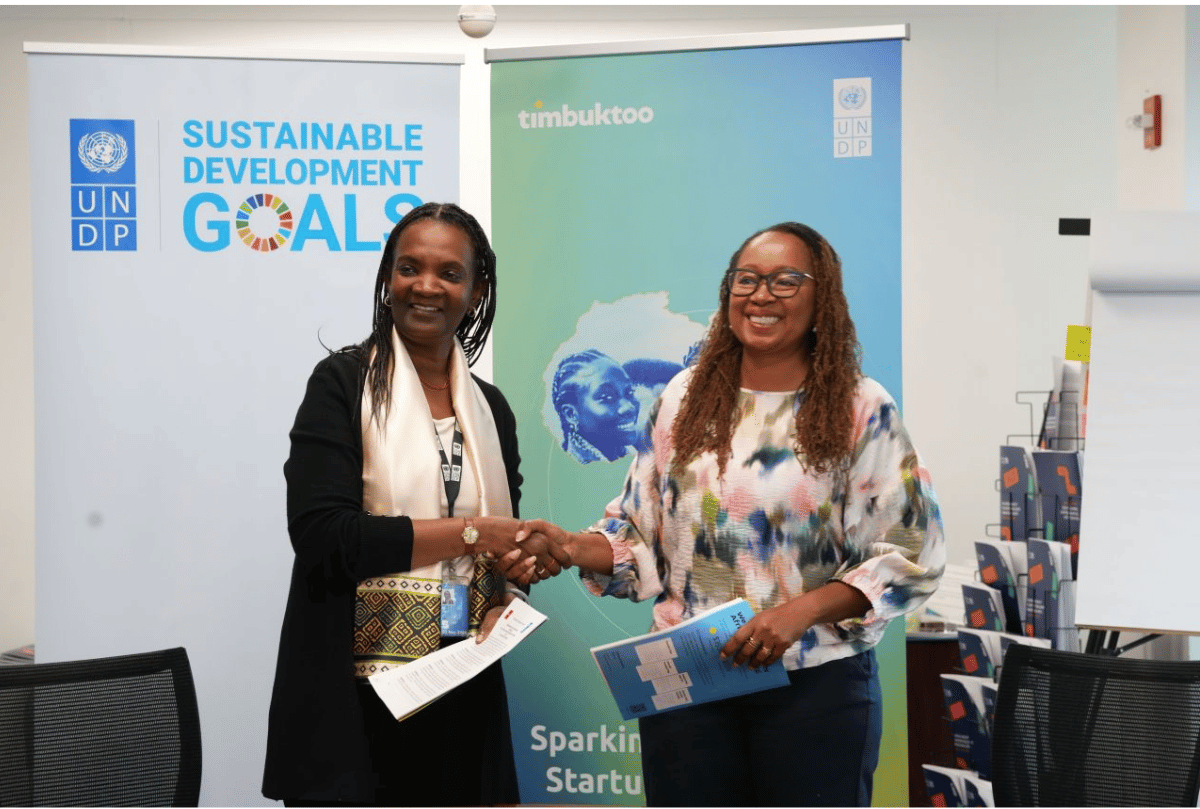
UNDP and GSMA Join Forces to Boost African-Led AI Development and Language Solutions
The UNDP and GSMA have partnered to bolster Africa's AI ecosystem, focusing on developing and deploying African-led AI solutions, particularly those incorporating African…
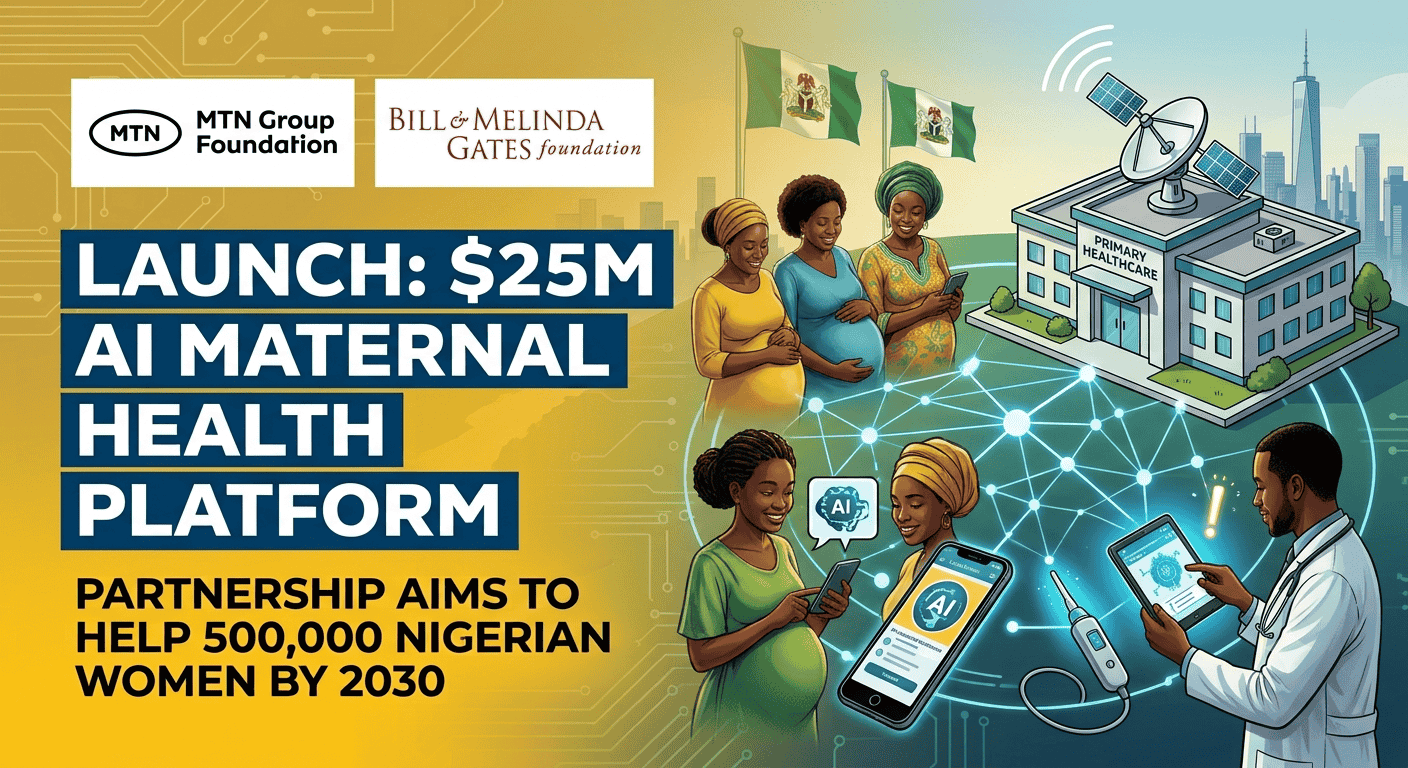
MTN and Gates Foundation Launch AI-Powered Maternal Health Platform in Nigeria to Aid 500,000 Women
MTN and the Gates Foundation have launched a $25 million AI-enabled maternal health platform in Nigeria, aiming to provide healthcare guidance to 500,000 women and digital tools…

AI Fuels Sophisticated Tax Scams in South Africa, Kaspersky Warns
AI is enabling South African tax scammers to create highly convincing phishing attempts that mimic official SARS communications, making it difficult for citizens to spot…
The dispatch
One email a day. The AI stories shaping Africa.
Rewritten for clarity, sourced always. No spam; unsubscribe anytime.