Moroccan Researchers Pioneer AI-Driven System for Early Detection of Toxic Algae in Reservoirs
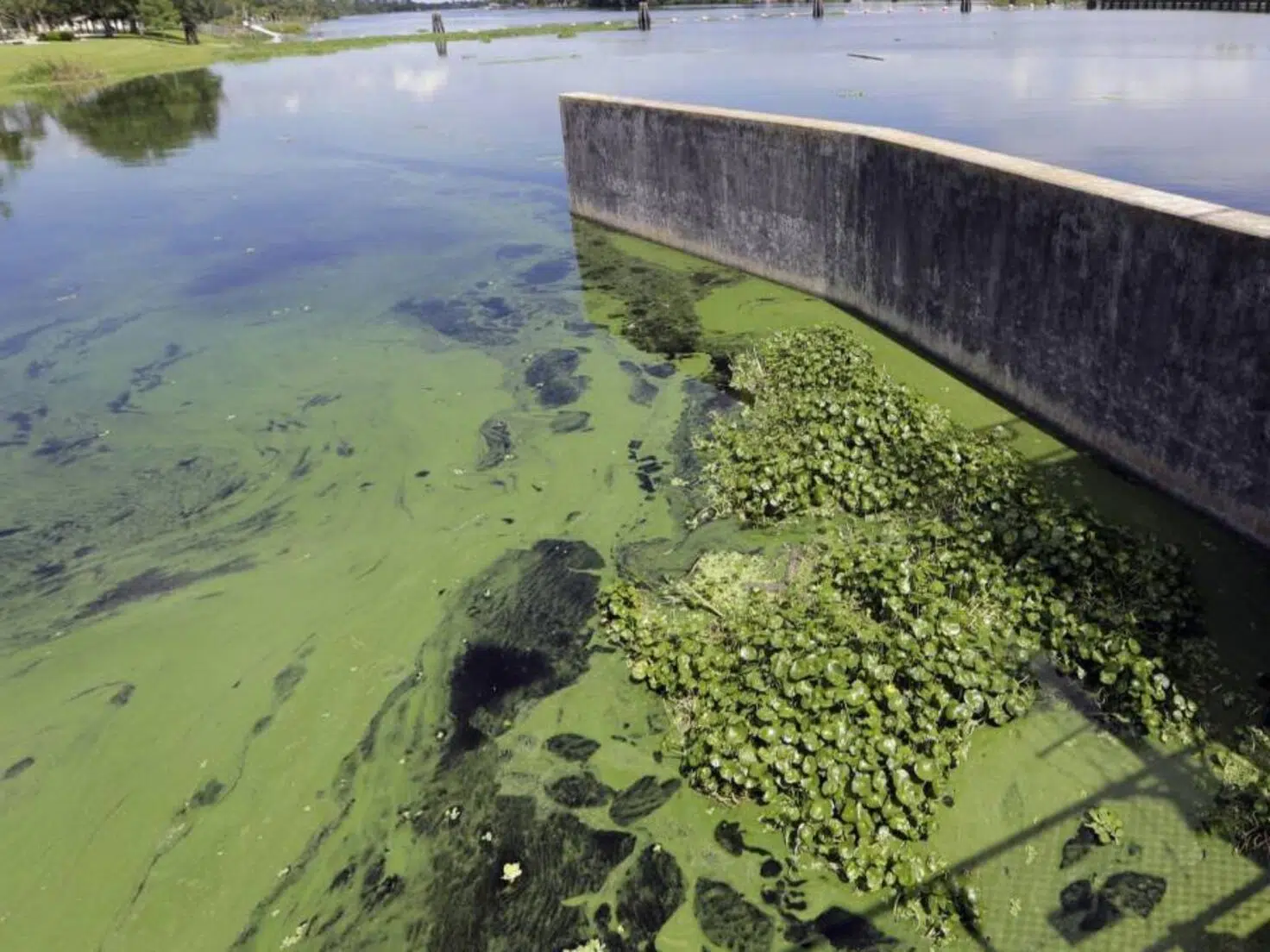
Researchers in Morocco are developing an innovative AI-powered system designed to detect harmful algal blooms in the country's vital water reservoirs. This sophisticated approach integrates aquatic drones, ecological sensors, spectrometry, and satellite imagery to identify toxic algae before they become visible to the naked eye. This proactive monitoring is crucial for Morocco, a nation grappling with significant water scarcity, as late detection of algal blooms can severely compromise freshwater supplies essential for both human consumption and irrigation.
The system's strength lies in its multi-layered data integration. Aquatic drones autonomously collect and interpret water data in real-time, providing immediate alerts. Ecological sensors continuously monitor water conditions, while spectrometry analyzes light interactions to pinpoint microalgae signatures. Satellite imagery feeds predictive models that forecast bloom development, enabling authorities to intervene early and prevent widespread contamination. This comprehensive strategy offers a more complete and timely picture of water quality than traditional visual inspections.
Currently in the prototype phase, the system requires extensive testing against real water samples across all four seasons to account for varying algal behaviors. This validation process is expected to take at least a year. The project underscores a broader trend in North Africa where AI, drones, and satellite technology are increasingly being deployed for environmental monitoring, including initiatives like the FAO's training on AI for water and land management in the region and similar agritech applications in Tunisia.
This initiative aligns with Morocco's ambitious national AI agenda, which aims for a 100 billion dirham GDP contribution from AI by 2030 and includes the development of the $1.2 billion Nexus AI Factory. Addressing water security through advanced AI applications represents a direct and impactful test of how these technological capacities can solve critical local challenges. The success of such projects will be pivotal in safeguarding Morocco's precious water resources.
Source
More in research

AI-Driven Contract Design Could Unlock Carbon Farming for African Smallholders
This research directly addresses the exclusion of smallholder farmers in Sub-Saharan Africa from carbon farming initiatives, proposing AI-driven contract designs to overcome…
African Language AI Research Reveals Disconnect Between Synthetic Data Quality and Downstream Model Performance
This research directly addresses a critical methodological challenge in building AI for African languages, showing that current synthetic data quality metrics do not predict…
New Research Reveals How AI Language Models Misinterpret African Languages
AfriSyCo, a new research study, examines how AI language models respond to factual content in African languages, revealing that assertive framing significantly increases the…
New AI Diagnostic Tool Aletheia Offers Offline Support for African Healthcare
Aletheia is an offline-first AI clinical decision support system specifically designed for low-resource healthcare settings across sub-Saharan Africa, addressing the critical lack…
The dispatch
One email a day. The AI stories shaping Africa.
Rewritten for clarity, sourced always. No spam; unsubscribe anytime.