Ensuring Responsible AI Deployment for Health Across Africa
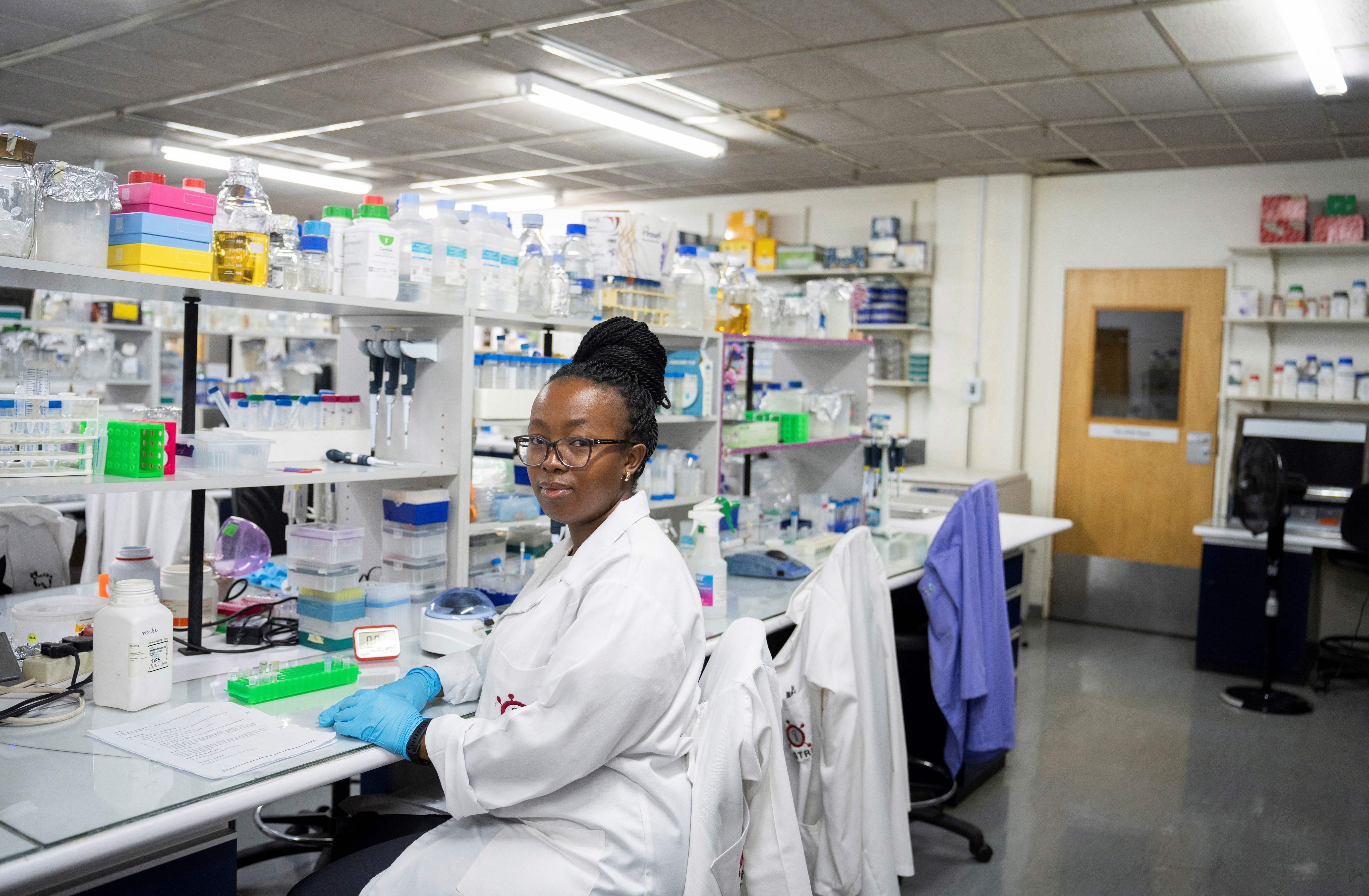
Artificial intelligence is rapidly moving from theoretical potential to practical application in global health, with a significant presence in Africa. The continent is seeing AI deployed to tackle critical health challenges like noncommunicable diseases, malaria, HIV, and tuberculosis. Examples include Makerere University's AI Health Lab in Uganda diagnosing malaria, deep-learning systems detecting parasites in West Africa, and a federated learning project across eight African countries for TB diagnosis. In Zimbabwe and South Africa, empathetic AI-powered chatbots are being tested to provide confidential HIV prevention information to young people.
AI's appeal in Africa stems from its potential to enhance efficiency, reduce costs, and augment scarce human resources in health systems grappling with clinician shortages and rapid outbreak escalations. High mobile connectivity rates provide a fertile ground for digital health solutions, making AI a necessity rather than just an opportunity. However, this surge in AI adoption necessitates a strong ethical framework to ensure these technologies genuinely solve health problems without introducing new risks.
The ethical deployment of AI in health requires a clear distinction between generic AI tools and carefully designed products. Products must prioritize privacy by default, align with clinical guidelines, and be tailored to specific populations. This includes adhering to local data privacy laws, like South Africa's POPI Act, and implementing features such as encrypted records and explicit policies against data reuse. Crucially, ethical AI demands continuous monitoring for bias and harm, integrating a "human in the loop" approach where trained personnel oversee AI operations and intervene as needed, ensuring responses are empathetic and non-stigmatizing.
Funding for AI in African health is evolving, with catalytic support from philanthropic organizations like the Gates Foundation and the Patrick J. McGovern Foundation, which democratize AI model creation. Traditional funders, including the Global Fund and PEPFAR, are also increasingly integrating AI into their strategies for surveillance, diagnostics, and health worker efficiency. This shift signifies AI's transition from experimental pilots to a recognized component of large-scale global health programs, encouraging more adaptive and responsive interventions.
Ultimately, the success of AI in strengthening African health systems hinges not on the speed of its rollout, but on its responsible adoption and sustained impact. It is imperative that AI tools are developed into well-measured, monitored products that respect dignity, protect privacy, and address the real-world health challenges faced by communities across the continent, ensuring trust remains central to technological advancement.
More in society

MTN and Microsoft Partner to Upskill Nigerian Teachers in AI-Assisted Education, Targeting Millions of Students
MTN, in partnership with Microsoft, has trained 500 Nigerian teachers in AI-assisted teaching, making them the first in the country to receive such formal training. This…
Kenyan Content Moderators Fight for Rights Against Tech Giants
A key legal battle is unfolding in Kenya as content moderators, including those working on AI platforms like OpenAI, challenge tech giants like Meta over working conditions and…

Nigerian Insurgents Using Commercial AI for Tactical Advantage, Fueled by ISIS Support
New research indicates that Nigerian insurgent groups, including ISWAP and Boko Haram, are actively using commercial AI models for tactical and operational purposes, facilitated…

South African AI Legal Chatbot Reveals Workplace Disputes as Top User Concern
My AI Lawyer, a South African AI legal chatbot, has found that workplace disputes are the most common type of query, revealing a significant need for accessible legal information…
The dispatch
One email a day. The AI stories shaping Africa.
Rewritten for clarity, sourced always. No spam; unsubscribe anytime.