Brookings Advocates for Phased AI Integration in Africa, Prioritizing Foundational Steps

A recent analysis from the Brookings Institution suggests that African nations should adopt a deliberate, sequenced approach to artificial intelligence rather than rushing into immediate, widespread deployment. The report emphasizes the importance of building robust foundational infrastructure and capabilities before fully embracing advanced AI technologies across various sectors. This strategic caution is presented as a pathway to maximize the benefits of AI while mitigating potential risks unique to the continent.
The core argument centers on the need for African countries to first establish essential prerequisites for successful and equitable AI integration. This includes developing strong data governance frameworks, investing in digital literacy and specialized AI skills, and creating appropriate regulatory environments. By focusing on these fundamental building blocks, African nations can ensure that AI adoption is sustainable, responsible, and aligned with their specific development goals, rather than merely importing off-the-shelf solutions that may not fit local contexts.
The Brookings perspective highlights that a premature rush could exacerbate existing inequalities, lead to ethical dilemmas, or result in inefficient investments without the necessary supporting ecosystem. Instead, a phased approach allows for the cultivation of local expertise, the development of context-specific AI applications, and the creation of policies that safeguard citizens while fostering innovation. This methodical strategy aims to empower African countries to shape their AI future proactively.
For Africa, this recommendation underscores a critical juncture in technological advancement. It suggests that strategic patience and targeted investment in foundational elements will ultimately yield greater long-term dividends than a hasty pursuit of cutting-edge AI. Such an approach can position the continent to leverage AI effectively for economic growth, public service delivery, and addressing pressing societal challenges in a manner that is truly beneficial and inclusive.
More in policy

South Africa Leads BRICS Call for Global AI Governance and Independent Evaluation
South Africa, through President Cyril Ramaphosa, is advocating for a robust international framework for AI governance within the BRICS bloc, including independent scientific…
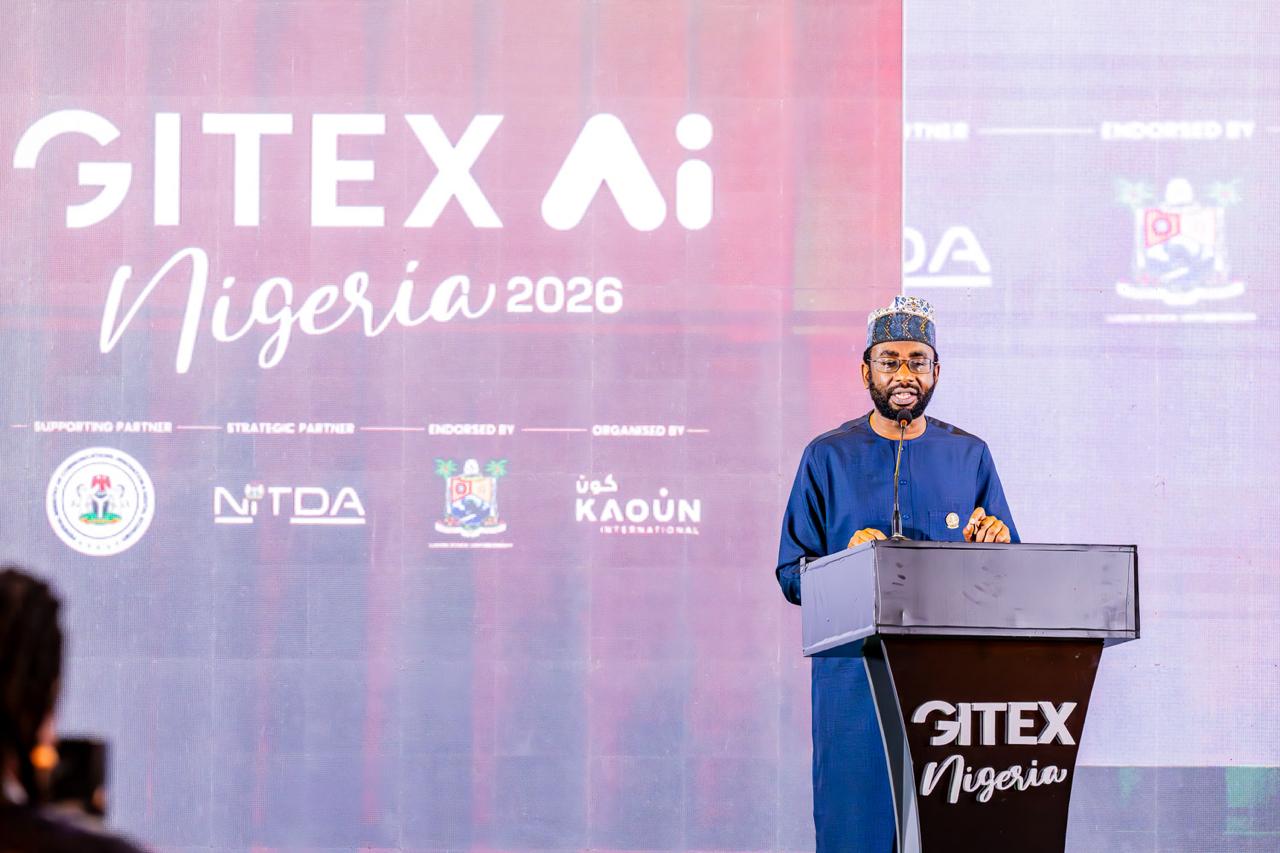
GITEX Nigeria Emphasizes Sovereign AI and Digital Transformation for a $1 Trillion Economy
GITEX Nigeria, a major tech and AI event, has launched in Abuja with a strong focus on advancing the nation's digital transformation and sovereign AI ambitions. Nigerian leaders…

Kenyan Political Operative Used Anthropic's Claude for AI-Generated Election Propaganda
A Kenyan political operative leveraged Anthropic's Claude AI to mass-produce social media propaganda ahead of the 2027 general election, praising government figures and targeting…

Anthropic Uncovers AI-Powered Political Influence Campaign in Kenya
A report by Anthropic details an AI-driven political influence operation in Kenya that used the Claude model to generate social media posts supporting the government and attacking…
The dispatch
One email a day. The AI stories shaping Africa.
Rewritten for clarity, sourced always. No spam; unsubscribe anytime.