South Africa Retracts AI Policy After Discovery of AI Authorship
South Africa has reportedly withdrawn its national artificial intelligence policy after an internal review revealed that significant portions of the document were drafted by an AI system. This unprecedented move underscores the growing complexities and ethical dilemmas associated with integrating AI into critical governmental processes, particularly in policy formulation. The discovery has prompted concerns about the authenticity and human accountability behind official state documents.
The incident raises important questions regarding the role of AI in governance and the necessary safeguards to ensure human oversight. While AI tools can assist in drafting and research, their direct use in creating policy without explicit human authorship and validation can undermine public trust and legislative integrity. The South African government's decision to withdraw the policy suggests a recognition of these risks and a commitment to ensuring human-led policy development.
For Africa, this event serves as a crucial cautionary tale. As more African nations move to develop their own AI strategies and regulatory frameworks, the South African experience highlights the imperative for clear guidelines on AI tool usage within government. It emphasizes the need for robust verification processes and transparent disclosure mechanisms to prevent similar occurrences and maintain the credibility of national policy initiatives across the continent. This incident could catalyze broader discussions on AI ethics and governance frameworks in African public sectors.
More in policy

Kenyan Counties Urged to Implement 'Decision-Recovery Drills' for AI Public Services
Kenyan counties should implement 'decision-recovery drills' for AI-powered public services to ensure staff can correct AI errors and provide accurate information to citizens. This…

Togo Pioneers AI Initiative to Digitize Indigenous Languages for Public Services
Togo has launched a pioneering national AI initiative, "Voix du Togo," to digitize its local languages, including Ewe, Kabiyè, and Moba. This program aims to build AI tools that…

Uganda Lays Data Foundation for Future National AI Strategy
Uganda has launched a five-year National Data Strategy, explicitly stating it is foundational for the country's forthcoming National AI Strategy. This move aims to improve data…
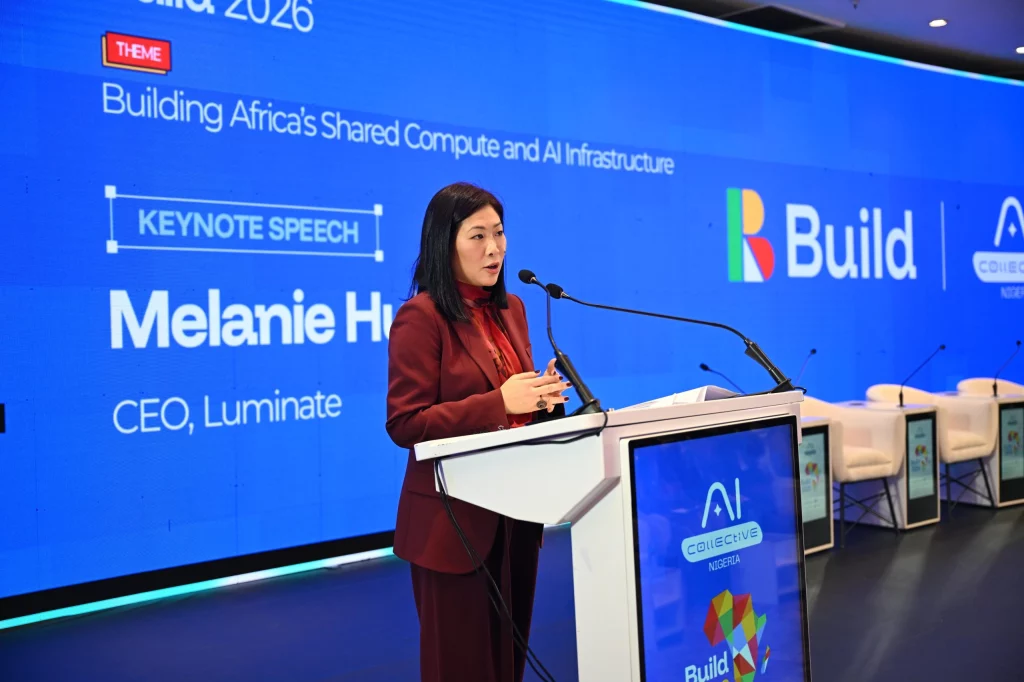
Luminate CEO Urges African Nations to Seize Control of Their Digital Future to Avoid AI Exploitation
Luminate CEO Melanie Hui warned African nations at the Build 2026 Conference in Abuja that they risk exploitation in the global AI economy if they do not secure genuine ownership…
The dispatch
One email a day. The AI stories shaping Africa.
Rewritten for clarity, sourced always. No spam; unsubscribe anytime.