Nigerian Jihadist Groups Systematically Employ AI for Combat and Explosives, Study Finds

A recent study by Cambridge-affiliated researcher Antonia Juelich reveals that major Nigerian jihadist organizations, including Islamic State West Africa Province (ISWAP) and Boko Haram (JAS), have "institutionalized" the use of commercial artificial intelligence chatbots. This adoption, occurring rapidly between 2023 and 2024, goes beyond individual experimentation, with groups establishing dedicated AI units and providing training to their members on platforms like ChatGPT, Claude, and Gemini. The findings challenge the perception that AI adoption by terrorist groups is limited or ad hoc.
The study, based on interviews with former militants, documents a range of AI applications from the mundane to the highly dangerous. Militants reportedly used AI to learn how to execute difficult maneuvers, such as jumping motorcycles over trenches, and more critically, to enhance the lethality of their explosive devices by identifying specific chemical compositions. AI has also been leveraged to refine battlefield tactics, aiming to minimize casualties among their own fighters, demonstrating a sophisticated and strategic integration of the technology into their operations.
Juelich highlights a significant gap between the safety assurances provided by major AI companies and the actual capabilities of their commercial products when exploited for nefarious purposes. While some queries might seem innocuous, the ability of chatbots to provide step-by-step instructions for bomb-making underscores a failure in current safeguards. She expresses concern about the overall trajectory, where terrorist groups are quickly embracing AI while protective measures struggle to keep pace, despite recent updates to AI safety protocols.
This development occurs as the Nigerian government itself is investing heavily in AI-powered surveillance and command systems to counter these same insurgent groups. The Ministry of Defence recently signed a substantial agreement to deploy an AI-driven Command, Control, Communications, Computers and Intelligence infrastructure. The parallel adoption of AI by both state and non-state actors in Nigeria underscores a rapidly evolving technological landscape in the country's long-standing insurgency, where AI is becoming a critical tool on both sides of the conflict.
The institutionalization of AI by Nigerian jihadists signifies a new phase in the region's security challenges. It suggests that AI literacy and access are becoming increasingly vital considerations for counter-terrorism efforts, not just in Nigeria but across Africa, as militant groups leverage advanced technology to refine their tactics and operations, posing complex ethical and security dilemmas for governments and AI developers alike.
Source
More in society

MTN and Microsoft Partner to Upskill Nigerian Teachers in AI-Assisted Education, Targeting Millions of Students
MTN, in partnership with Microsoft, has trained 500 Nigerian teachers in AI-assisted teaching, making them the first in the country to receive such formal training. This…
Kenyan Content Moderators Fight for Rights Against Tech Giants
A key legal battle is unfolding in Kenya as content moderators, including those working on AI platforms like OpenAI, challenge tech giants like Meta over working conditions and…
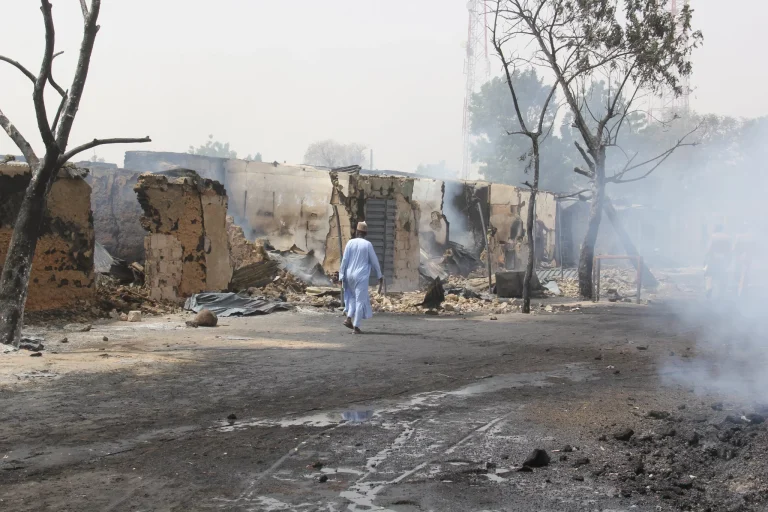
Nigerian Insurgents Using Commercial AI for Tactical Advantage, Fueled by ISIS Support
New research indicates that Nigerian insurgent groups, including ISWAP and Boko Haram, are actively using commercial AI models for tactical and operational purposes, facilitated…

South African AI Legal Chatbot Reveals Workplace Disputes as Top User Concern
My AI Lawyer, a South African AI legal chatbot, has found that workplace disputes are the most common type of query, revealing a significant need for accessible legal information…
The dispatch
One email a day. The AI stories shaping Africa.
Rewritten for clarity, sourced always. No spam; unsubscribe anytime.