African Nations Must Unite to Assert Sovereignty in AI Deals

The article critically examines the challenges African nations face in achieving AI sovereignty, particularly concerning data ownership and model control when engaging with global tech companies. It highlights the inherent risks in initiatives like the Gates Foundation and OpenAI's "Horizon 1000" program in Rwanda, which aims to deploy AI in healthcare. Concerns are raised regarding where data inference occurs, who owns fine-tuned models after pilots, and the long-term financial sustainability, suggesting that such deployments could inadvertently deepen technological dependency rather than foster genuine sovereignty.
Despite these challenges, the piece points to instances where African governments have successfully pushed back against unfavorable terms. Kenya's High Court intervention regarding a health data-sharing agreement with the US, and similar rejections by Ghana, Nigeria, and Zambia, demonstrate that sovereign judgment on contract terms offers a viable form of leverage. These cases underscore that resistance often stems from a combination of civil society pressure and governmental willingness to scrutinize deals, proving more effective than relying solely on sovereign compute infrastructure.
The article also scrutinizes the $60 billion Africa AI Fund, established by 52 African nations, which paradoxically allocates its largest hardware investments to vendors like Nvidia, potentially perpetuating the very dependency it aims to combat. While framed as a sovereignty fund, its current structure appears to prioritize purchasing negotiating leverage and optionality for future deals rather than achieving true technological independence. Governance, capital commitments, and management details for the fund also remain largely unclear, raising questions about its practical implementation.
Ultimately, the analysis argues that individual African nations negotiating with hyperscalers possess minimal leverage due to imbalances in legal, financial, and political power. The proposed solution is coordinated action: a bloc of twenty or more countries negotiating jointly can credibly demand better terms, such as standardizing on alternative models, committing combined procurement budgets, and embedding robust data residency, audit, and exit clauses into every AI agreement. This collective approach, while slower and more complex, is presented as the only scalable path to meaningful AI sovereignty for the continent.
Source
More in policy
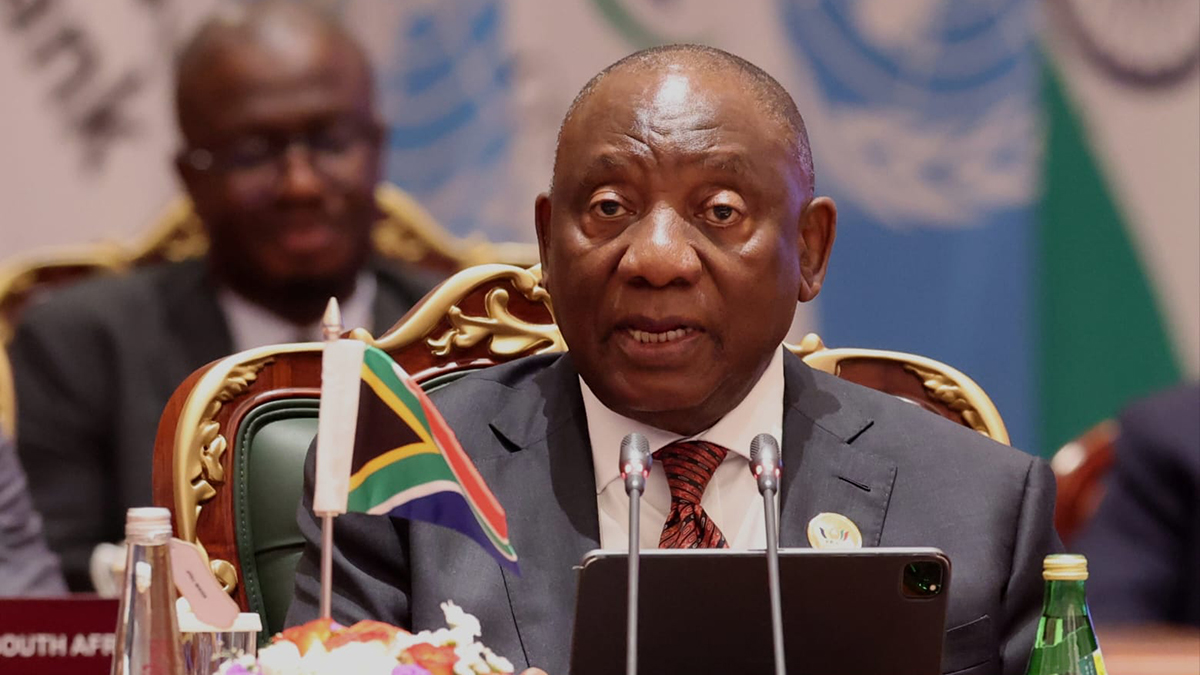
South Africa Leads BRICS Call for Global AI Governance and Independent Evaluation
South Africa, through President Cyril Ramaphosa, is advocating for a robust international framework for AI governance within the BRICS bloc, including independent scientific…
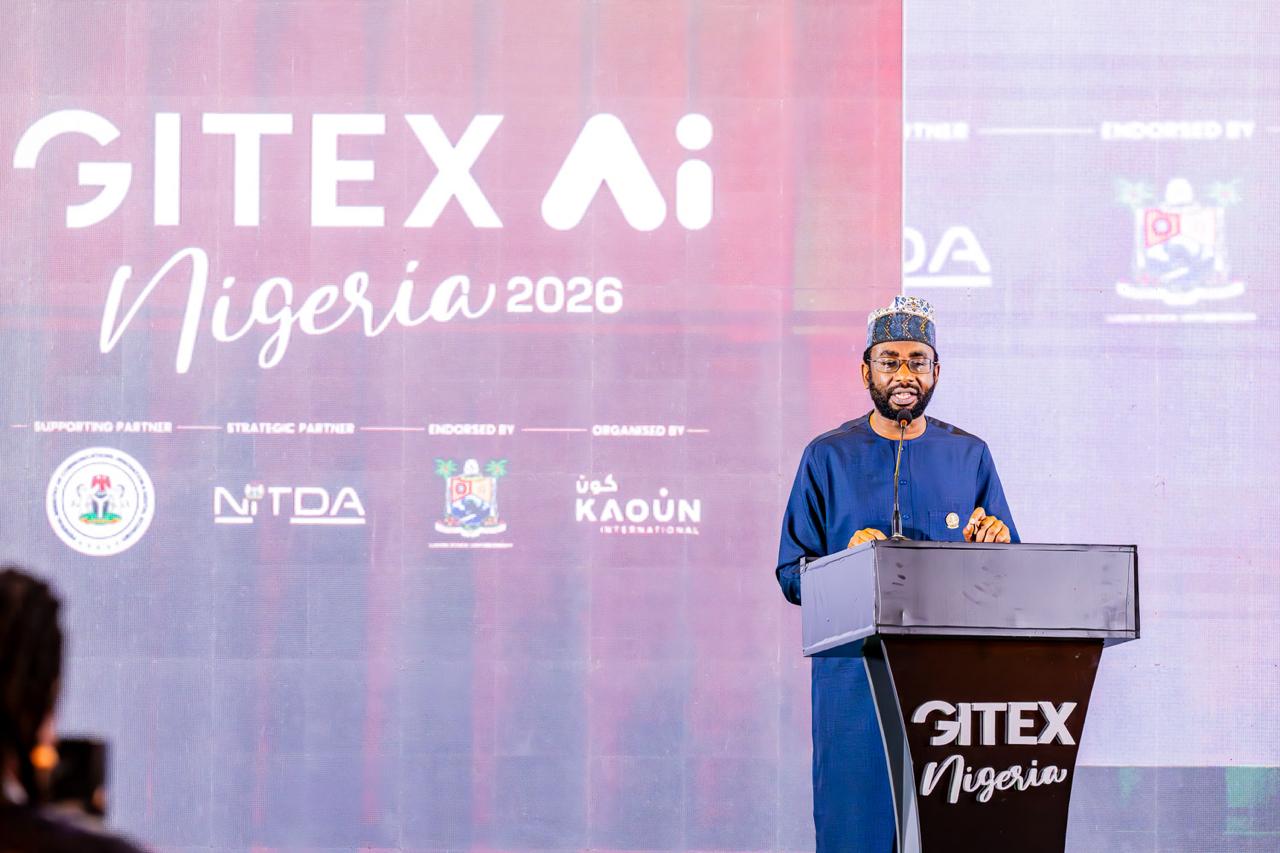
GITEX Nigeria Emphasizes Sovereign AI and Digital Transformation for a $1 Trillion Economy
GITEX Nigeria, a major tech and AI event, has launched in Abuja with a strong focus on advancing the nation's digital transformation and sovereign AI ambitions. Nigerian leaders…

Kenyan Political Operative Used Anthropic's Claude for AI-Generated Election Propaganda
A Kenyan political operative leveraged Anthropic's Claude AI to mass-produce social media propaganda ahead of the 2027 general election, praising government figures and targeting…

Anthropic Uncovers AI-Powered Political Influence Campaign in Kenya
A report by Anthropic details an AI-driven political influence operation in Kenya that used the Claude model to generate social media posts supporting the government and attacking…
The dispatch
One email a day. The AI stories shaping Africa.
Rewritten for clarity, sourced always. No spam; unsubscribe anytime.