Kenyan AI System Successfully Predicts and Prevents Mass Fish Deaths in Lake Victoria
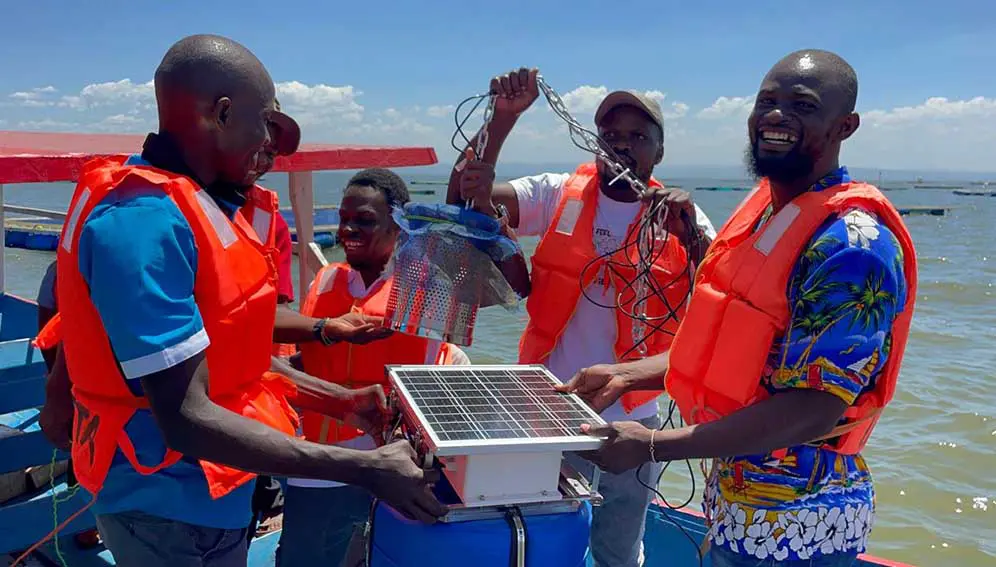
An AI-powered early warning system has successfully prevented a major fish kill event in Kenya's Lake Victoria, saving hundreds of thousands of dollars worth of tilapia. In February 2026, over 300 fish farmers at Dunga Beach received urgent SMS alerts from an underwater monitoring system detecting dangerously low oxygen levels. This timely intervention allowed farmers to move their fish cages to safer waters, averting a disaster that had previously devastated local aquaculture.
Mass fish deaths due to oxygen depletion have been a recurring and costly problem for cage farmers on Lake Victoria. Between 2024 and 2025 alone, Dunga Beach experienced nearly $1 million in losses. This issue is exacerbated by agricultural runoff, plankton blooms, and general pollution from nearby rivers and urban waste, creating an unpredictable and high-risk environment for fish farming, a crucial income source for lakeside communities.
The innovative system was developed by the Kenya Marine and Fisheries Research Institute (KMFRI) in collaboration with Nairobi-based ShoShin Innovation Hub. It utilizes underwater sensors to collect water quality data, which is then processed by AI models on ShoShin's cloud servers. These models, trained on KMFRI's extensive historical data, identify patterns indicative of impending oxygen crashes and trigger simple, actionable SMS alerts for farmers, even on basic feature phones. ShoShin emphasizes local development, building much of the platform's architecture in Kenya to reduce costs and promote accessible IoT technology.
Following its initial success, KMFRI plans to expand the system to 15 additional hotspots along the Kenyan side of Lake Victoria, with two new sites expected to launch in late 2026. This initiative aligns with Kenya's National Digital Masterplan (2022–2032), which prioritizes AI-driven government services. Beyond preventing immediate losses, the system generates valuable data that could interest insurers in providing aquaculture coverage and aid regulators in holding upstream polluters accountable. A similar system, E-Samaki, is also being piloted for mariculture on Kenya's coast.
While the AI early warning system cannot reverse pollution or control weather patterns, it provides critical time for farmers to react to environmental changes, transforming an unpredictable threat into a manageable risk. By offering timely, accurate, and farmer-friendly alerts, the technology empowers local communities with unprecedented data and decision-making capabilities, significantly improving the resilience and sustainability of the aquaculture sector in Kenya.
Source
More in society

MTN and Microsoft Partner to Upskill Nigerian Teachers in AI-Assisted Education, Targeting Millions of Students
MTN, in partnership with Microsoft, has trained 500 Nigerian teachers in AI-assisted teaching, making them the first in the country to receive such formal training. This…

Kenyan Content Moderators Fight for Rights Against Tech Giants
A key legal battle is unfolding in Kenya as content moderators, including those working on AI platforms like OpenAI, challenge tech giants like Meta over working conditions and…

Nigerian Insurgents Using Commercial AI for Tactical Advantage, Fueled by ISIS Support
New research indicates that Nigerian insurgent groups, including ISWAP and Boko Haram, are actively using commercial AI models for tactical and operational purposes, facilitated…

South African AI Legal Chatbot Reveals Workplace Disputes as Top User Concern
My AI Lawyer, a South African AI legal chatbot, has found that workplace disputes are the most common type of query, revealing a significant need for accessible legal information…
The dispatch
One email a day. The AI stories shaping Africa.
Rewritten for clarity, sourced always. No spam; unsubscribe anytime.