Vercel Acquires Egyptian AI DevOps Startup Stakpak to Bolster AI Cloud Infrastructure
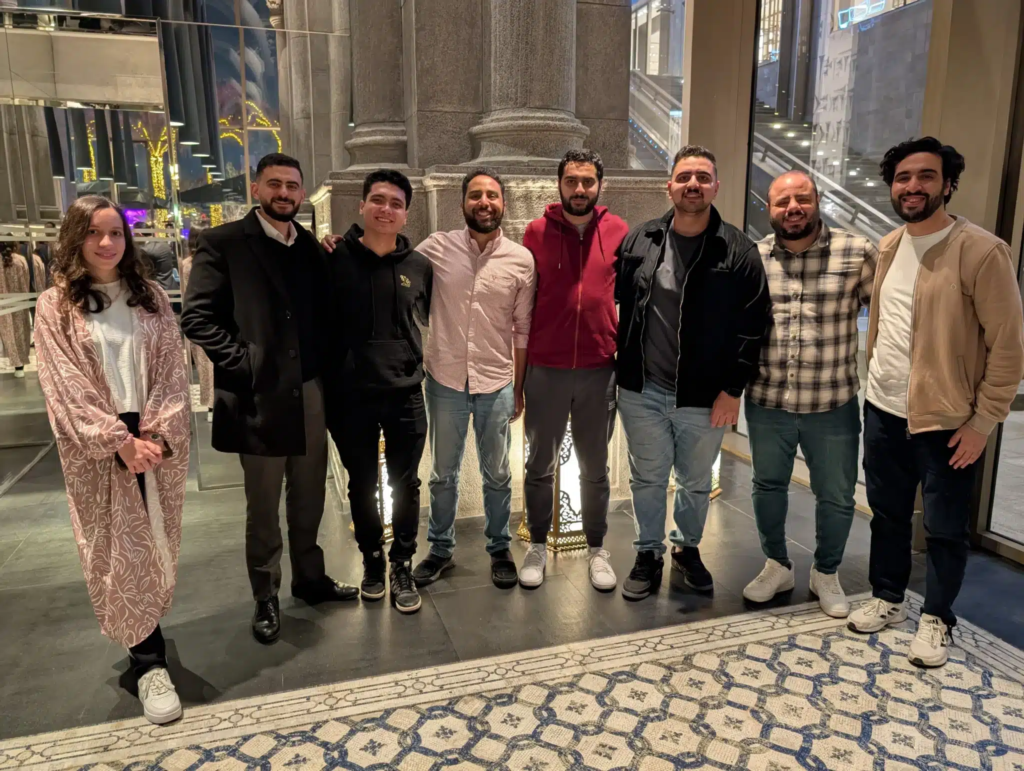
Vercel, a prominent American cloud platform, has strategically acquired Stakpak, an innovative Egyptian-founded startup, as part of its aggressive expansion into becoming a foundational infrastructure layer for AI-powered software. Stakpak, which initially bootstrapped its operations out of Cairo, developed some of the earliest open-source autonomous DevOps agents, demonstrating significant technological prowess from its Egyptian base. This acquisition underscores Vercel's commitment to its "AI Cloud" vision, aiming to support the next generation of applications increasingly built and managed by autonomous agents.
Stakpak's core offering began as an AI-driven assistant, enabling developers to generate infrastructure-as-code configurations using natural language. This evolved into a robust, production-grade DevOps agent capable of drastically reducing the time spent on infrastructure tasks. The company also pioneered open-source agent harnesses and unique agentic security systems, earning a strong following within the developer community experimenting with self-driving infrastructure. The team maintained its core engineering operations in Egypt, a model that allowed it to develop sophisticated infrastructure technology cost-effectively.
This deal is not an isolated incident for Vercel, which recently secured a $300 million Series F funding round and is rapidly growing its annual recurring revenue. The company's CEO, Guillermo Rauch, has publicly stated that a significant portion of applications on their platform now originate from AI agents. Stakpak's expertise in self-driving infrastructure agents, which can autonomously provision, scale, and repair cloud resources, perfectly complements Vercel's platform, extending its capabilities from agent identity—a focus of another recent acquisition—to the underlying compute and network layers.
The acquisition of Stakpak, following the earlier purchase of Better Auth (an open-source authentication library created by an Ethiopian solo founder), highlights a broader trend: global technology giants are actively seeking out and integrating innovative AI infrastructure talent from beyond traditional tech hubs. For the Egyptian startup ecosystem, this represents a significant exit and a testament to its capacity for deep technology development. These strategic moves by Vercel illustrate how African startups are increasingly contributing to shaping the global infrastructure for AI development and deployment.
Source
More in infrastructure
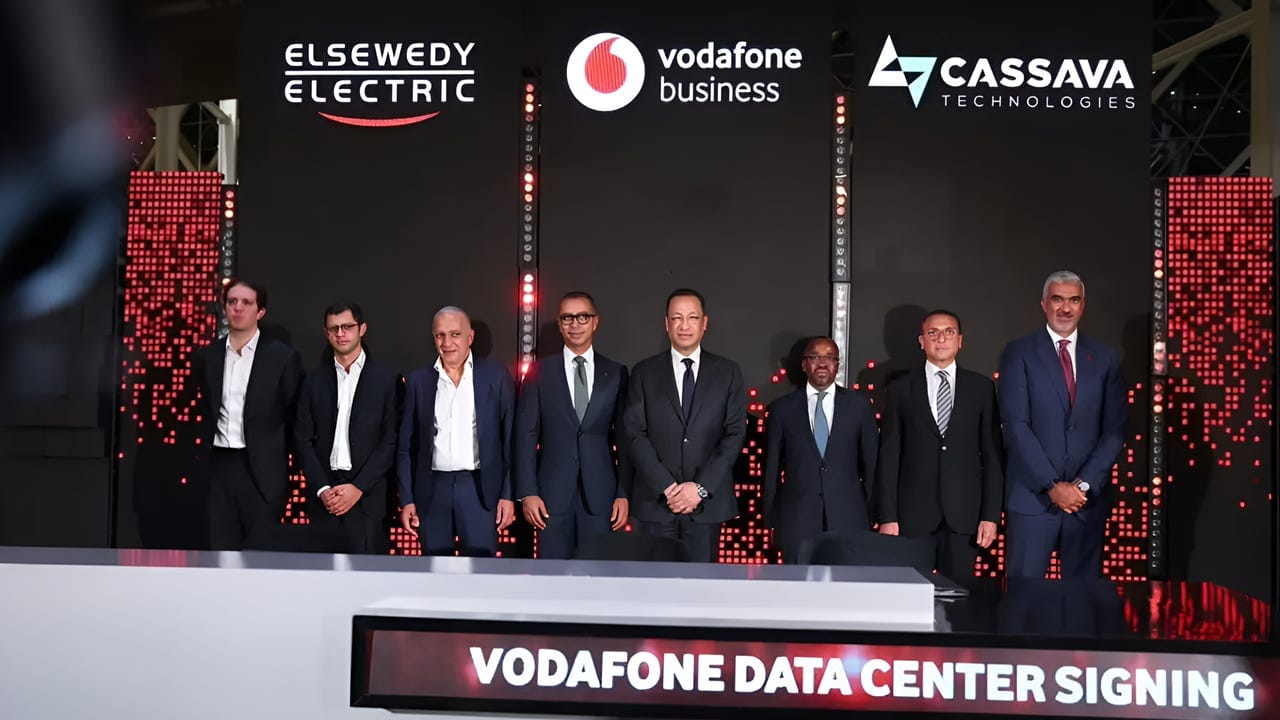
Egypt Launches First AI Factory with Vodafone and Cassava, Signaling Multi-Partner Strategy
Vodafone Egypt and Cassava Technologies have launched Egypt's first AI factory, offering GPU-as-a-Service with in-country data processing. This initiative is a key part of Egypt's…

UduTech Partners with BARO AI to Boost Africa's AI Computing Power with South Korean GPUs
Nigerian UduTech has partnered with South Korean BARO AI to supply high-performance GPUs to African entities, addressing the continent's critical shortage in AI computing…

Egypt Invests $1 Billion in Sovereign AI Data Centers to Boost Digital Economy
Egypt is investing significantly in building its own data and AI infrastructure, including the country's first sovereign AI data center, to reduce reliance on foreign cloud…

Egypt Unveils First National AI Factory in Partnership with Vodafone and Cassava Technologies
Egypt has launched its first national AI factory through a partnership between Vodafone Business and Cassava Technologies, aiming to establish the country as a regional AI hub.…
The dispatch
One email a day. The AI stories shaping Africa.
Rewritten for clarity, sourced always. No spam; unsubscribe anytime.